



Last Updated: October 13, 2026
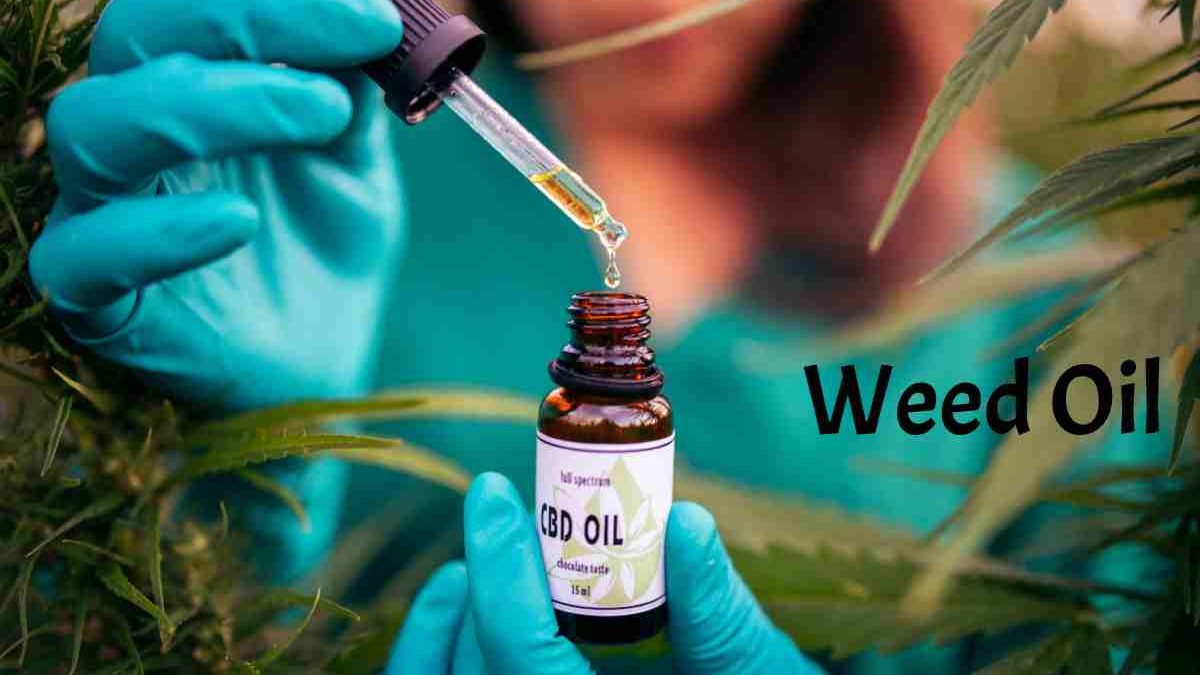
Weed Oil, Cannabidiol, or CBD, remains a chemical compound in the Cannabis Sativa plant. CBD interacts with neuroreceptors in your body when applied topically or inhaled through smoke or fit for human consumption. Weed Oil Which send signals between your cells to help regulate your movement, mood, homeostasis, and immune system.
Table of Contents
CBD Oil: 5 Science-Backed Benefits
1. Compensate for anxiety and depression
The calming ability of CBD is perhaps its most popular effect and why its use remains so widespread. A 2017 study in the Brazilian Journal of Psychotherapy assessed the nervousness levels of 57 men in a fake public speaking test. Some received a placebo. At the same time, others received 150 milligrams and 300 milligrams. Or 600 milligrams of CBD earlier in their speeches. Those who received 300 milligrams of CBD experienced significantly less anxiety during the test than those who received the placebo. Interestingly, the participants who received 150 or 600 milligrams of CBD experienced more stress during the test than in the 300-milligram group.
Meanwhile. At least one study in mice revealed that CBD had similar effects to the antidepressant imipramine. However, human trials are needed to confirm whether CBD can induce this same downer response in our bodies.
For general wellness topics beyond CBD, probiotics are commonly discussed in relation to digestive health.
2. Treat select epilepsy syndromes -Weed Oil
In some cases, CBD can be used to reduce epileptic seizures.
In 2018. The Food and Drug Administration (FDA) accepted the use of CBD under the brand name Epidiolex to treat seizures resulting from Lennox-Gastaut syndrome and Dravet syndrome, two infrequent forms of epilepsy, in patients aged at least two years.
Three well-studied studies provide the basis for the FDA’s decision. In these trials, 516 patients with Lennox-Gastaut syndrome or Dravet syndrome received Peridot or a placebo. Peridot, when taken along with other prescription medications, decreased members’ seizure frequency similar to placebo.
3. Reduce PTSD symptoms -Weed Oil
In a small 2018 study in the Periodical of Other and Complementary Medicine, 11 people with post-traumatic stress illness (PTSD) received CBD and routine psychiatric maintenance for eight weeks at a psychiatric outpatient clinic. Ten of the 11 experienced a reduction in their PTSD symptoms. CBD was generally well tolerated. The researchers write.
Margaret Rajni, an RN with a background in medical cannabis and CBD, highlights the ranking of using the therapy in conjunction with any cannabis or CBD for PTSD. “There’s an amount of therapy needed for PTSD,” she says. “But CBD will give you a slight bit of reduced anxiety.
4 other human trials from 2012 to 2016 propose that CBD reduces PTSD symptoms, although some include THC or tetrahydrocannabinol. The main mind-altering element in cannabis. When THC and CBD work together. For example, they create an [entourage effect], completing each other’s benefits and strengths. Taking a similar dose of THC and CBD blunts the “high” of THC, while just a little bit of THC combined with more CBD enhances the effects of CBD.
People researching cannabinoid products may also encounter CBN oil; discuss potential risks and interactions with a healthcare professional.
4. Treat opioid addiction, Weed Oil
Some studies. Both preclinical animal and human clinical trials. Suggest that CBD could be used to help treat people who are dependent on opioids.
In 1 such study. Researchers managed CBD for people with heroin use illness. Over a week, CBD significantly reduced cue-persuaded cravings, removal anxiety, resting heart rate, and salivary cortisol levels in heroin users. No significant adverse effects were found
Other studies find that CBD helps reduce psychiatric and medical symptoms such as anxiety, insomnia, and pain in patients with substance use illnesses, indicating that CBD may be a real option for opioid addiction. However, more studies are necessary.
5. Relieve ALS indications
Amyotrophic lateral sclerosis (ALS) remains a disease that causes nerve cells in the brain and spinal cord to deteriorate, leading to muscle control damage that worsens over time. It is not yet well understood why ALS occurs, although it can be genetic in some cases. There is no known cure. And there remain only two FDA-approved medications to help treat the symptoms of ALS.
Research suggests that people with ALS may benefit from the milieu effect formed by the combination of THC and CBD, like people with PTSD. In a 2019 study. Patients were given a variety of THC and CBD in varying doses based on their needs and preferences. Those with mild or moderate. Or severe spasticity (muscle stiffness and tension) due to ALS reported high satisfaction with treatment. Those with moderate to severe spasticity reported higher satisfaction rates than those with mild spasticity.
Diet is another topic people may discuss with their care team, including whether low carb diets fit their individual needs.
Conclusion
Cannabidiol (CBD) is an oil resulting from the cannabis plant. Possible health benefits include reducing irritation and pain. However, it is not allowed in all states, and there may also be some dangers.